


 Close
Close






 Return
You can read every brochure and still don’t know how an electric bike actually behaves once you hit the road. Specifications look great on paper, but once you’re weaving through the city traffic or rolling up an incline, those numbers often tell a different story.
Real performance isn’t just about how powerful the motor is or how big the battery looks. It’s the sum of several things: road texture, weight, air resistance, and even how you twist the throttle. So, let’s discuss these core factors in detail.
Factors Affecting an Electric Bike’s Performance on the Road
Battery Capacity and the Real Range
Battery capacity is like a fuel tank, but the comparison only goes so far. A 60V battery rated for 70 kilometers might not give you more than 55 on a humid, traffic-heavy day. Why? Because batteries perform differently outside lab conditions.
Temperature, load, and braking frequency all chip away at your range. Even tire pressure matters more than most riders think. Under-inflated tires make your e-bike work harder than it should. The motor ends up using more power, and that means fewer kilometers per charge.
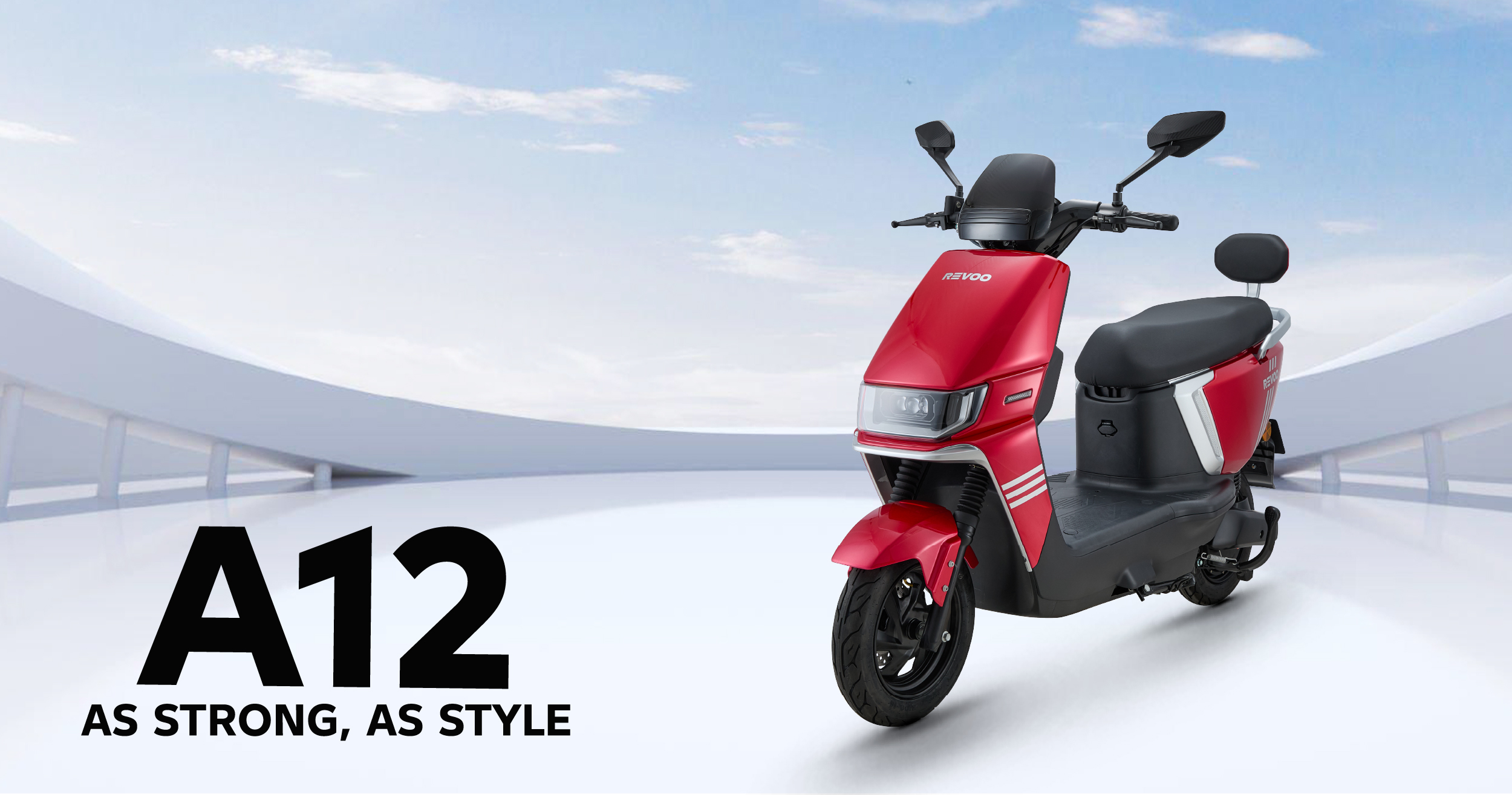
If you ride daily, focus on usable range, not the advertised figure. A slightly larger battery with a faster charging cycle will always serve you better in the long run. That’s one reason REVOO Electric bikes have newer models emphasizing efficiency over raw numbers alone.
Motor Output and Torque
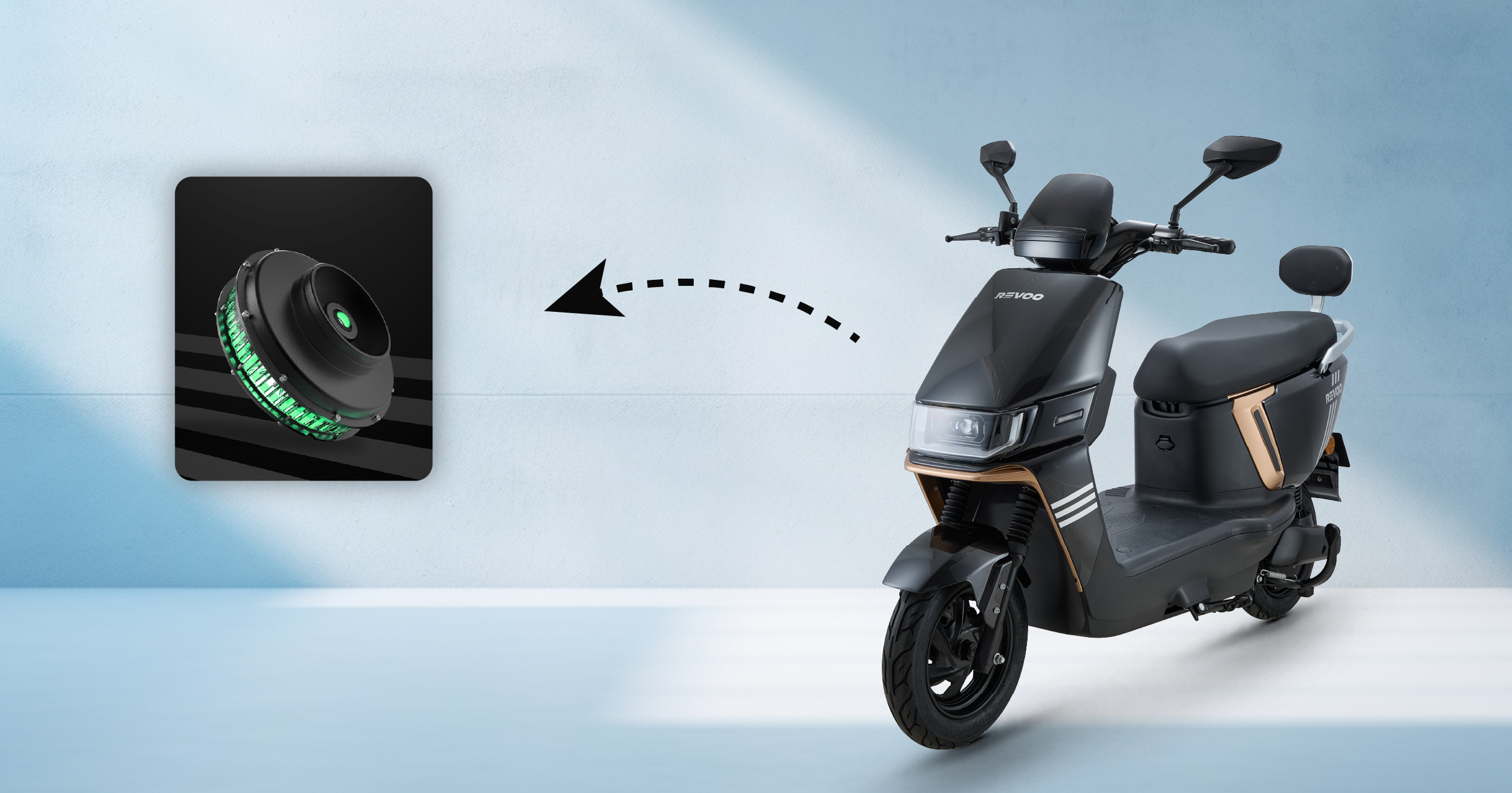
Motor power looks flashy on the spec sheet, but torque tells the real story. It’s the difference between an e-bike that launches cleanly from a stop and one that hesitates before picking up.
In the auto world, torque is what helps you overtake, climb, or carry a passenger without that dragging feel. A 500W motor with well-tuned torque delivery can outperform a poorly balanced 1000W motor any day.
Hub motors are smoother and quieter, making them perfect for city use. On the other hand, mid-drive setups give you that stronger pull uphill. In real-world testing, the quality of motor calibration and power mapping matters more than peak wattage.
Ground Clearance and Frame Design
It doesn’t take long on Karachi or Lahore roads to realize how important ground clearance really is. On city roads, speed bumps and uneven surfaces are a common occurrence. If your e-bike rides too low, those small details can quickly become a problem.
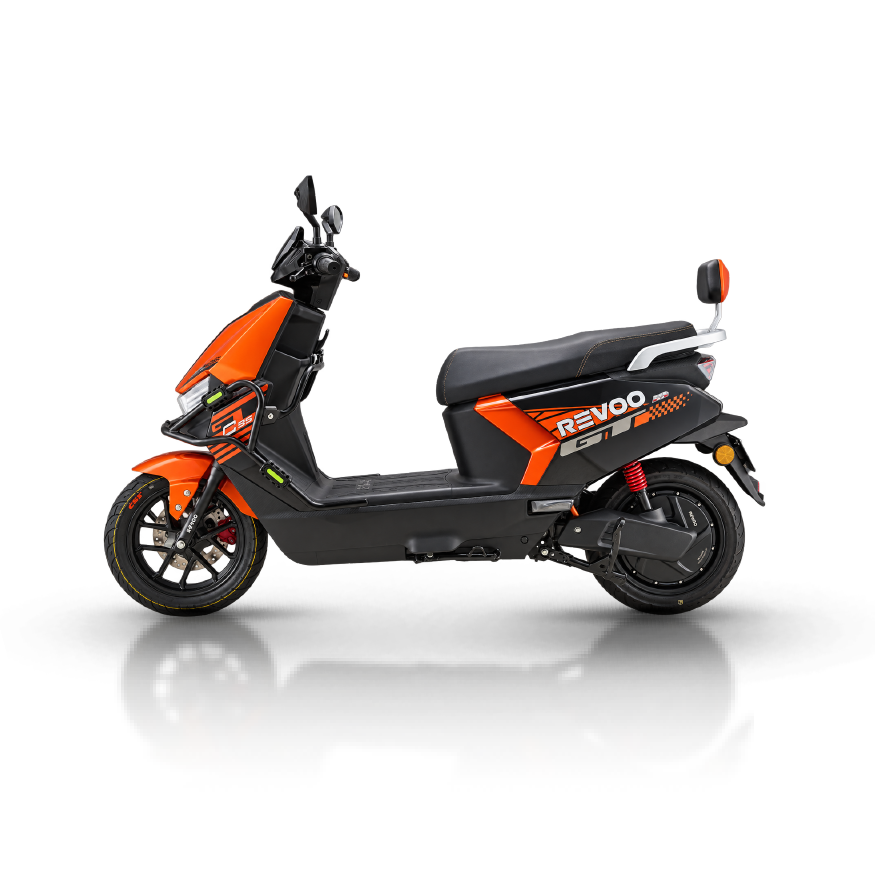
That’s where a well-built chassis comes in. It maintains a balanced weight and a stable ride while still leaving enough room underneath for a smooth pass over obstacles. The REVOO C32 manages this well with about 200 millimeters of ground clearance, enough to navigate city terrain without scraping.
However, ground clearance is just one part of the equation. The stiffness of the frame and the setup of the suspension decide how the bike feels under pressure. Too much stiffness, and every jolt is noticeable. Too little, and the bike sways at higher speeds. The balance between the two defines true ride quality.
Weight, Load, and the Hidden Energy Drain
Every bit of extra weight changes how an e-bike rides. Throw on a passenger or a loaded bag, and you’ll notice the motor working harder to keep up. More weight means more current draw, shorter range, and slower acceleration. Over time, it can also wear down components faster if the bike isn’t rated for heavier loads.
If you regularly carry gear, go for a model with a sturdier frame and a higher payload rating. Some of the newer e-bikes now distribute the battery lower in the frame to maintain balance even under load.
Tires, Grip, and Rolling Resistance
Tires don’t get enough credit in performance discussions, but they’re the only part that actually touches the road. Their size, tread, and air pressure determine how efficiently power is transferred from the motor to motion.
Wider ones feel great on bumpy roads and offer solid grip. However, they also add rolling resistance, making your battery drain faster. On the other hand, narrow tires roll farther per charge but can be twitchy on bad roads.
The sweet spot is a tire that fits your terrain. And yes, check your PSI regularly. A difference of just 5–10 PSI can shave off several kilometers of range.
Terrain and Riding Environment
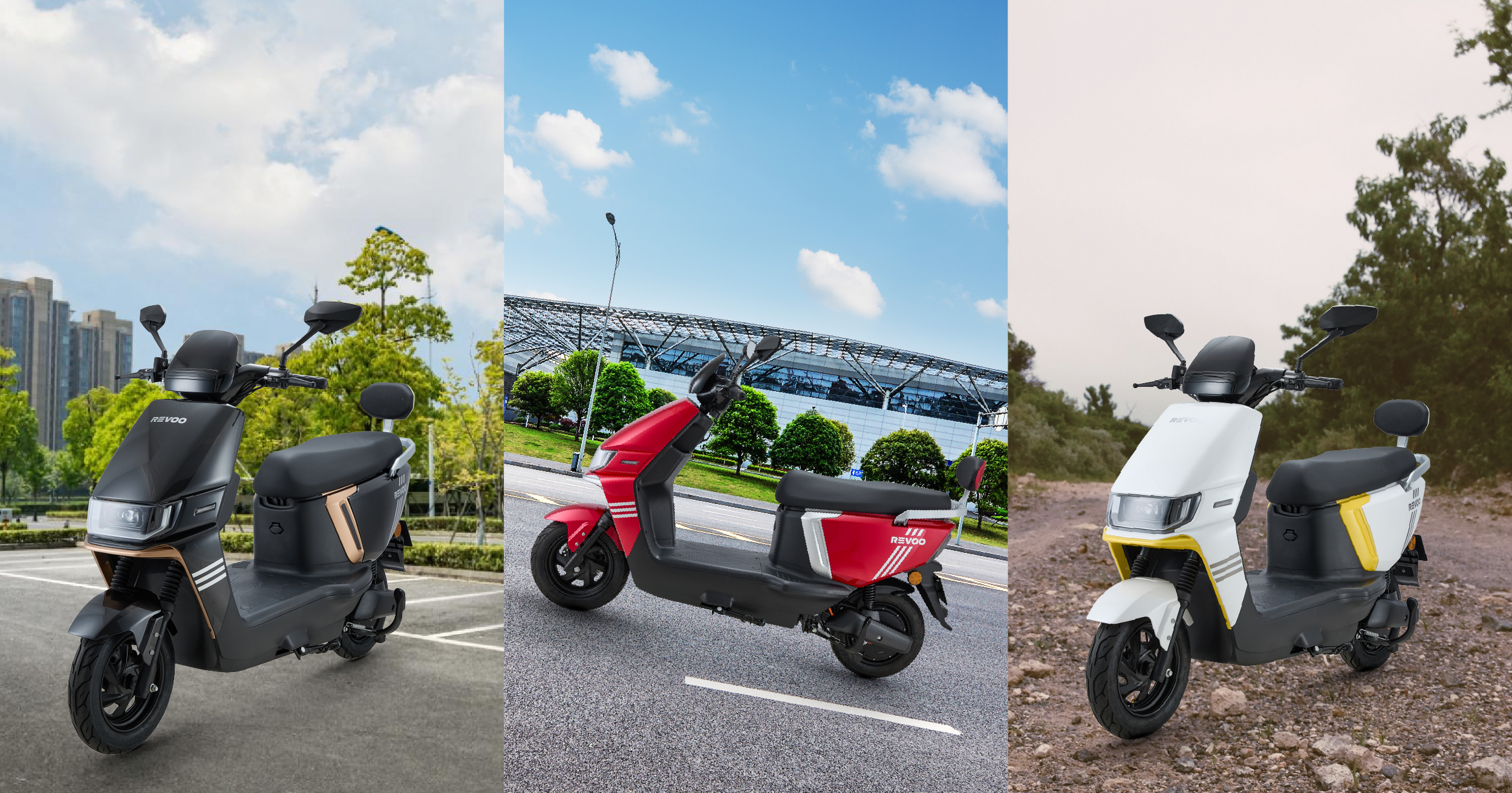
No two cities ride the same. In Islamabad, the smooth city roads can make even a small motor feel powerful. But take that same e-bike to Quetta’s steep hills, and you’ll see the battery drain twice as fast. Weather and terrain matter more than most riders realize.
On hotter days, batteries tend to overheat slightly, which reduces efficiency. Cold conditions, on the other hand, can slow down the voltage recovery. Most modern battery management systems handle this automatically, but the effect is still there — subtle, yet noticeable.
If you ride across mixed terrain, look for a bike that strikes a balance between torque and efficiency, rather than chasing peak speed. It’s a smarter long-term tradeoff.
Choosing the Right E-bike
Specs matter, but not as much as fit and feel. A proper test ride tells you everything about throttle response, braking comfort, and balance.
Ask yourself:
How far do I ride daily?
What kind of roads do I use?
Do I carry extra weight?
Can I charge easily at home or work?
After narrowing down your choices, it’s best to take a test ride before making a decision. So, head to a nearby REVOO store, hop on, and experience the ride for yourself.
The Power, Balance, and Engineering Behind Today’s E-Bikes
On paper, electric bikes may look simple: battery, motor, two wheels. But riding one quickly shows how carefully each part is engineered to create a smooth experience.
The battery sets how far you can go, the motor decides how strongly you move, and the frame keeps it all steady beneath you.
What makes modern e-bikes remarkable is their balance. Quiet, quick, and built to handle real streets, they mark a shift in how Pakistan moves.
And once you get used to that effortless acceleration and minimal maintenance, traditional fuel bikes start to feel like a thing of the past.


 Return
