


 Close
Close





 Return
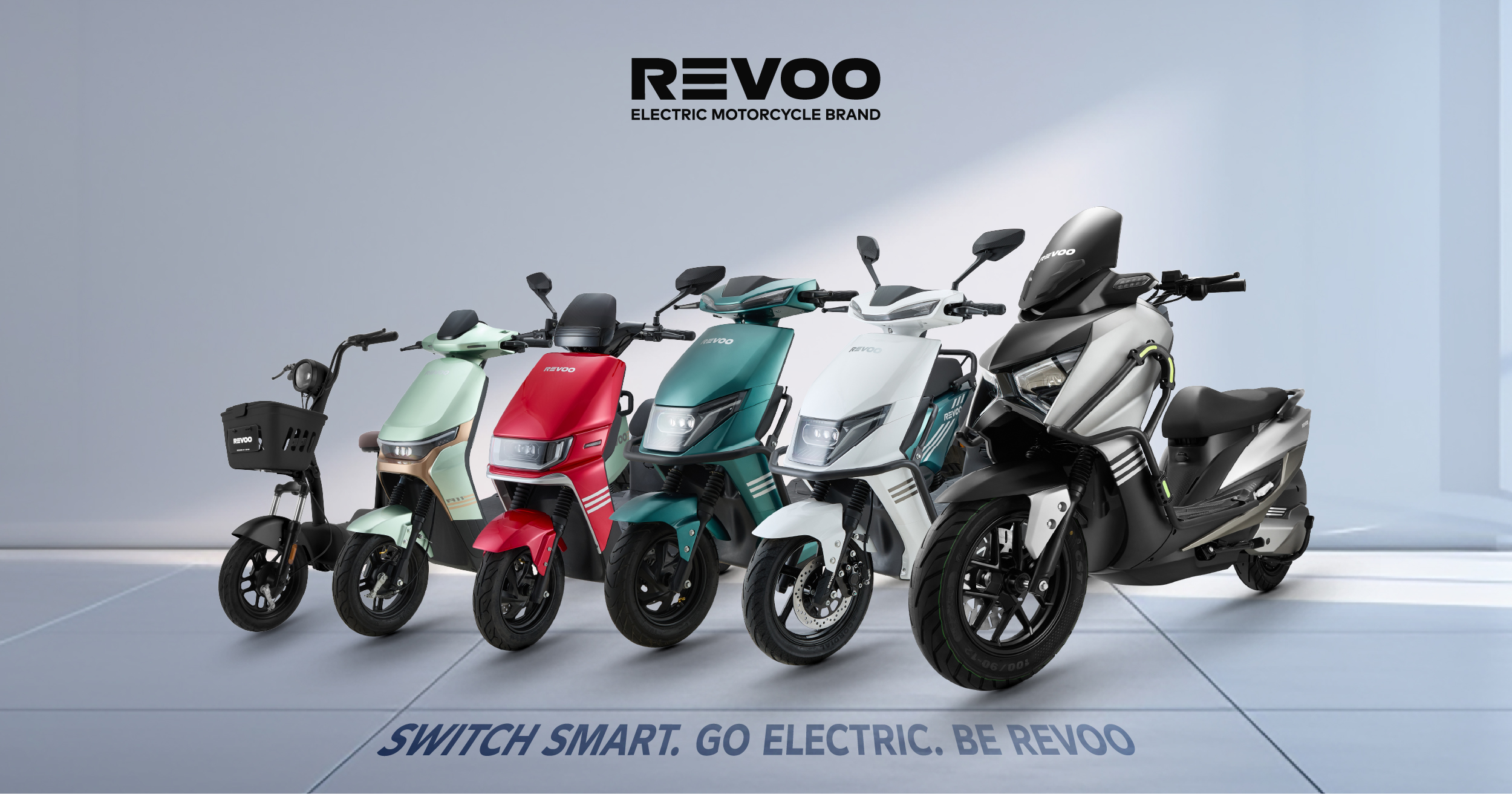
Pakistan finally rolled out a big step in its e-mobility journey this year with the National Electric Vehicle (NEV) Policy 2025-2030.
Unlike the vague promises we've heard in the past, this one comes with real targets, subsidies, and programs that actually matter to people who ride, buy, or sell electric bikes.
2025 may just be the perfect opportunity if you've been waiting for a good time to switch to an e-bike.
What is Pakistan’s National Electric Vehicle (NEV) Policy 2025-2030?
The National Electric Vehicle (NEV) Policy was officially launched on June 19, 2025, aiming to accelerate Pakistan’s transition to electric vehicles — especially two- and three-wheelers.
Key goals include:
At least 30% of new vehicles sold in Pakistan to be electric by 2030.
Establishing 40 new EV charging stations along major highways.
Revising urban building codes so that new housing and commercial projects must include EV charging points.
The federal government also introduced a PKR 9 billion subsidy package to promote the adoption of electric bikes and rickshaws.
Additionally, the policy includes tax exemptions and support for local EV manufacturing, to boost job creation and reduce import dependency.
In short, this is not just an economic policy — it’s a green mobility initiative that aims to reduce fuel imports, improve air quality, and create new opportunities for local industries.
Main Benefits of the 2025 E-Bike Policy for Everyday Riders
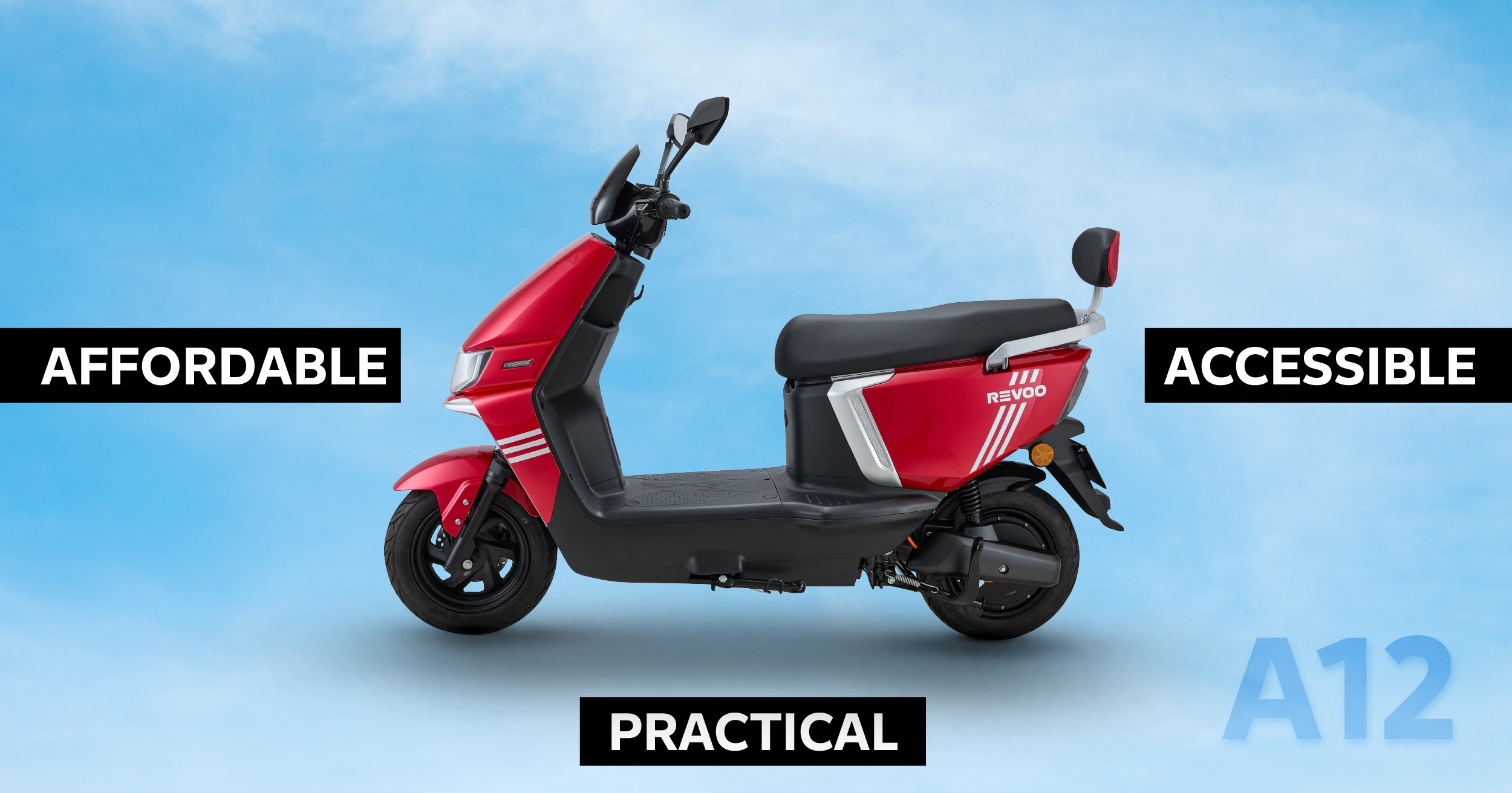
The government has allocated PKR 9 billion for the fiscal year 2025–26 to support the purchase of over 116,000 e-bikes and 3,000+ e-rickshaws, with 25% of the funds reserved for women riders.
Each e-bike purchase can receive a subsidy of around PKR 65,000, significantly reducing upfront costs for students, delivery riders, and working women.
This makes e-bikes affordable, practical, and accessible, helping more people switch from fuel bikes to sustainable electric mobility.
Provincial E-Bike Policy in Pakistan
Now, here's where it gets interesting. While the federal government is setting the stage, provinces have their own flavor of e-bike schemes.
Punjab – Chief Minister’s E-bike Scheme
Punjab has fully committed to its own Chief Minister's e-bike Scheme, particularly for students and women.
Financing is heavily subsidized with low or no-markup loans. Thousands of students are expected to benefit, and the demand here is likely to stay strong.
Sindh – ‘Pink EV Scooty’ Program
Sindh has launched the “Pink EV Scooty” program for women, plus other schemes aimed at workers from minority communities.
Their focus is on providing safe and independent mobility for women, which is a significant advantage in cities like Karachi and Hyderabad.
Balochistan – Pink Scooty and Electric Bikes
The province announced a “Pink Scooty & Electric Bikes” initiative in Quetta.
It's aimed mostly at female students and working women. Banks and local partners are working out the financing details.
Khyber Pakhtunkhwa
KP hasn't made as much noise with a standalone policy, but it's participating in the federal program.
There are small-scale student-focused schemes, and demand is picking up, especially in Peshawar.
The Importance of the E-bike Policy
With rising petrol prices, urban congestion, and climate challenges, electric mobility is not just a luxury — it’s a necessity.
E-bikes offer massive savings on fuel, require minimal maintenance, and reduce carbon emissions.
For everyday Pakistanis, they provide a cheaper, cleaner, and smarter commuting option.
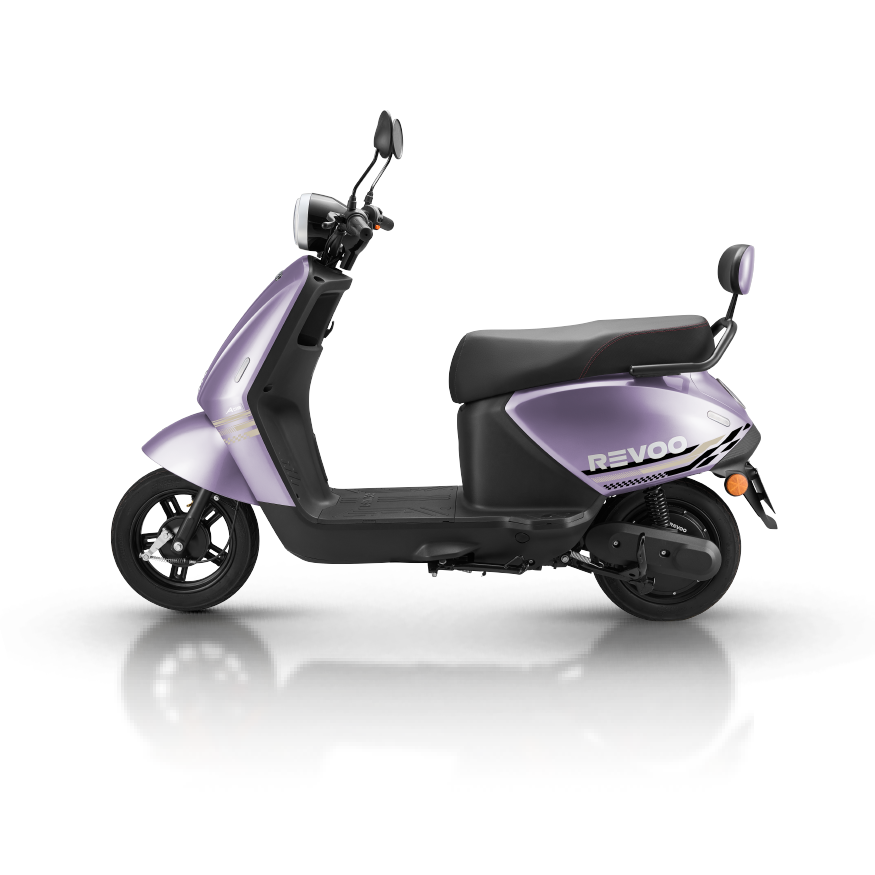
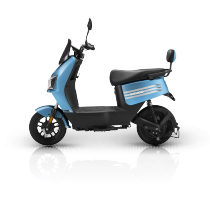
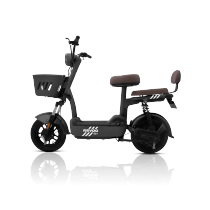
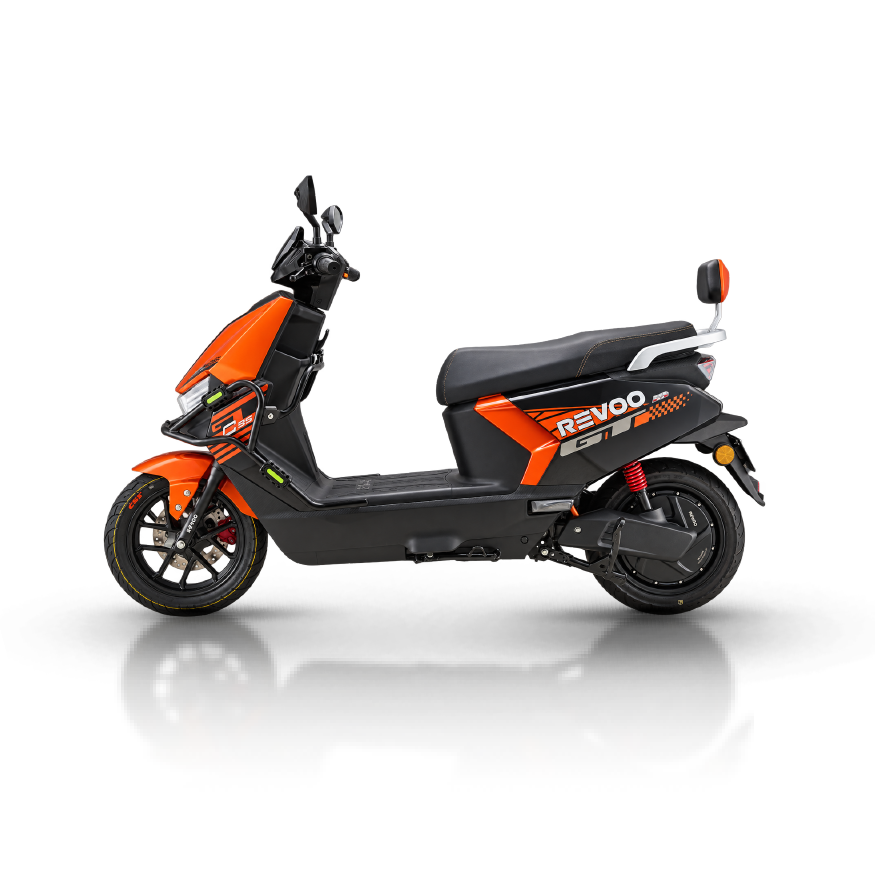
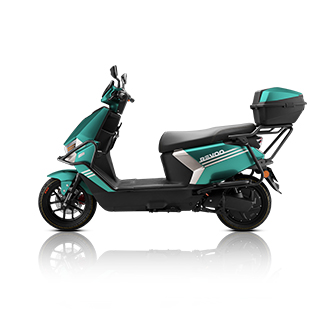
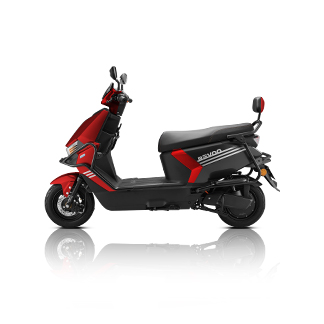
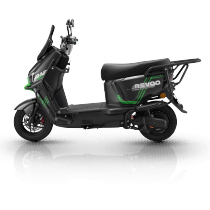
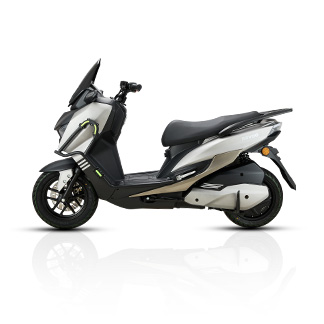
E-bike brands like REVOO, this policy opens new opportunities to design e-bikes that are affordable, reliable, and women-friendly, making the electric revolution accessible to all.
REVOO – Your best E-bike Choice in 2025
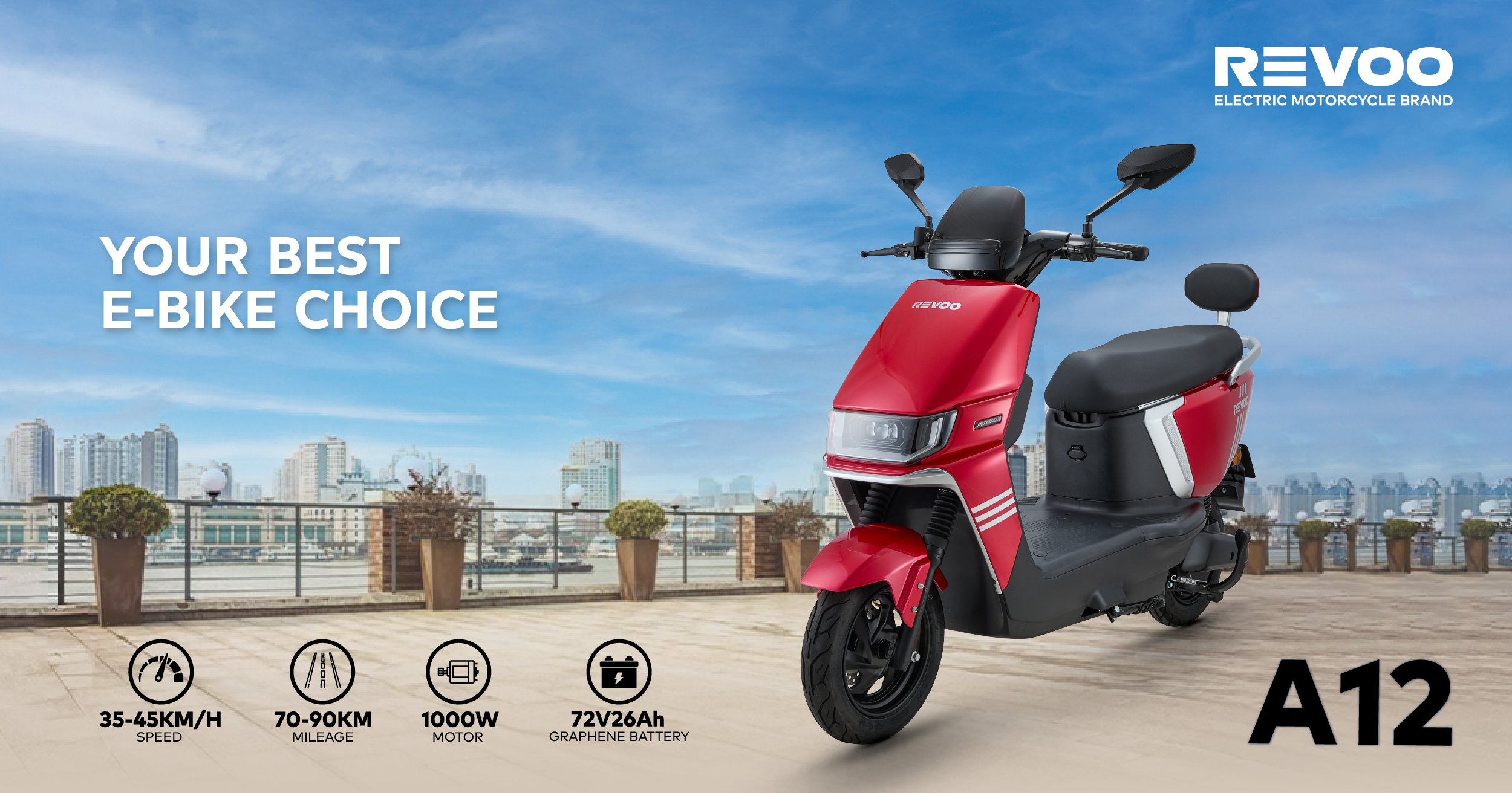
2025 is the year Pakistan's electric bike story goes mainstream. With strong federal support, provincial initiatives, and growing rider awareness, e-bikes are moving from niche to mainstream.
So if you’ve been thinking about going electric — for yourself, your family, or your business — there’s no better time than now.
Switch smart. Go electric. Be REVOO.


 Return
